.jpg)
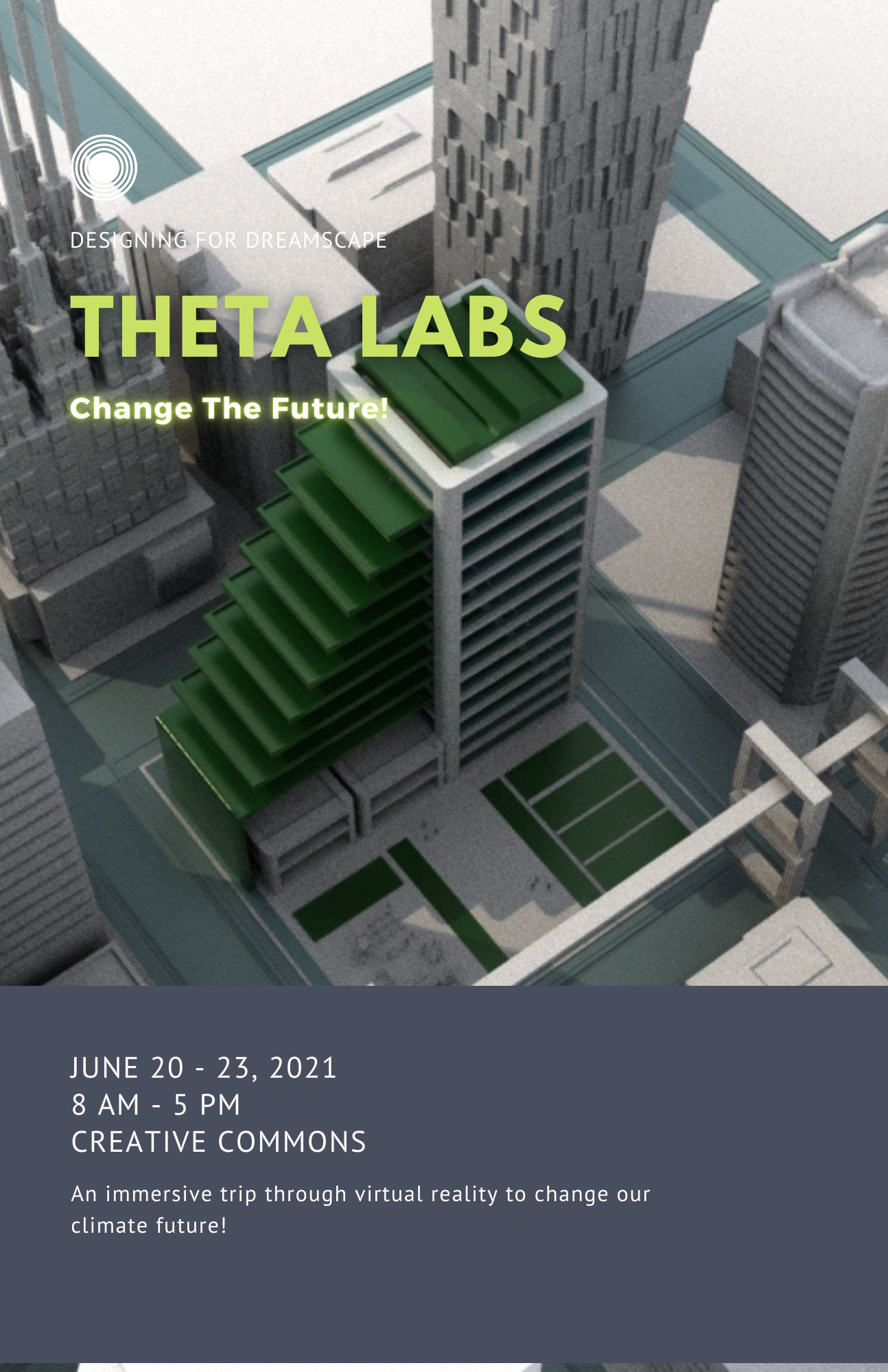
ASU × Dreamscape Learn · Theta Labs
Designing for
Dreamscape
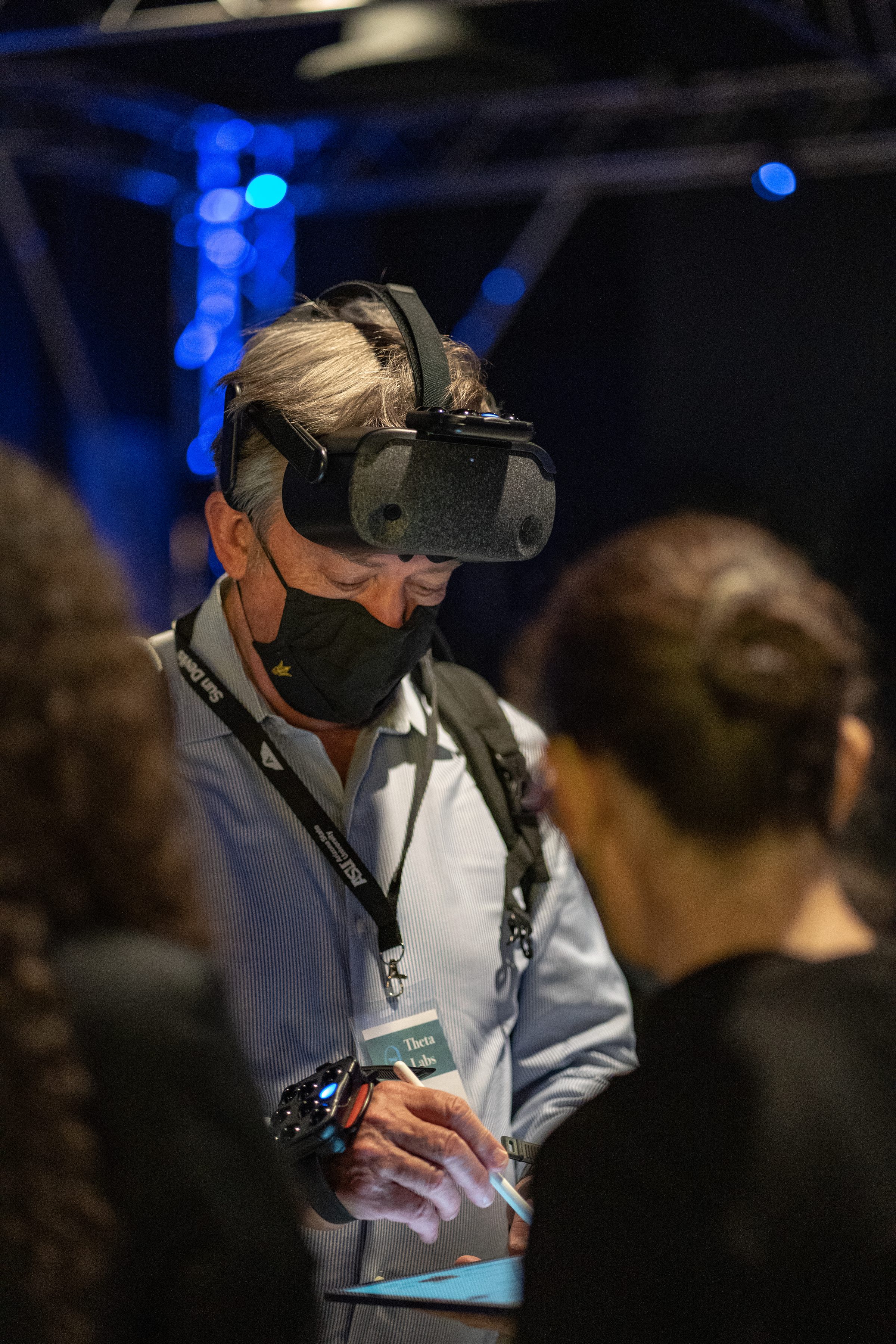
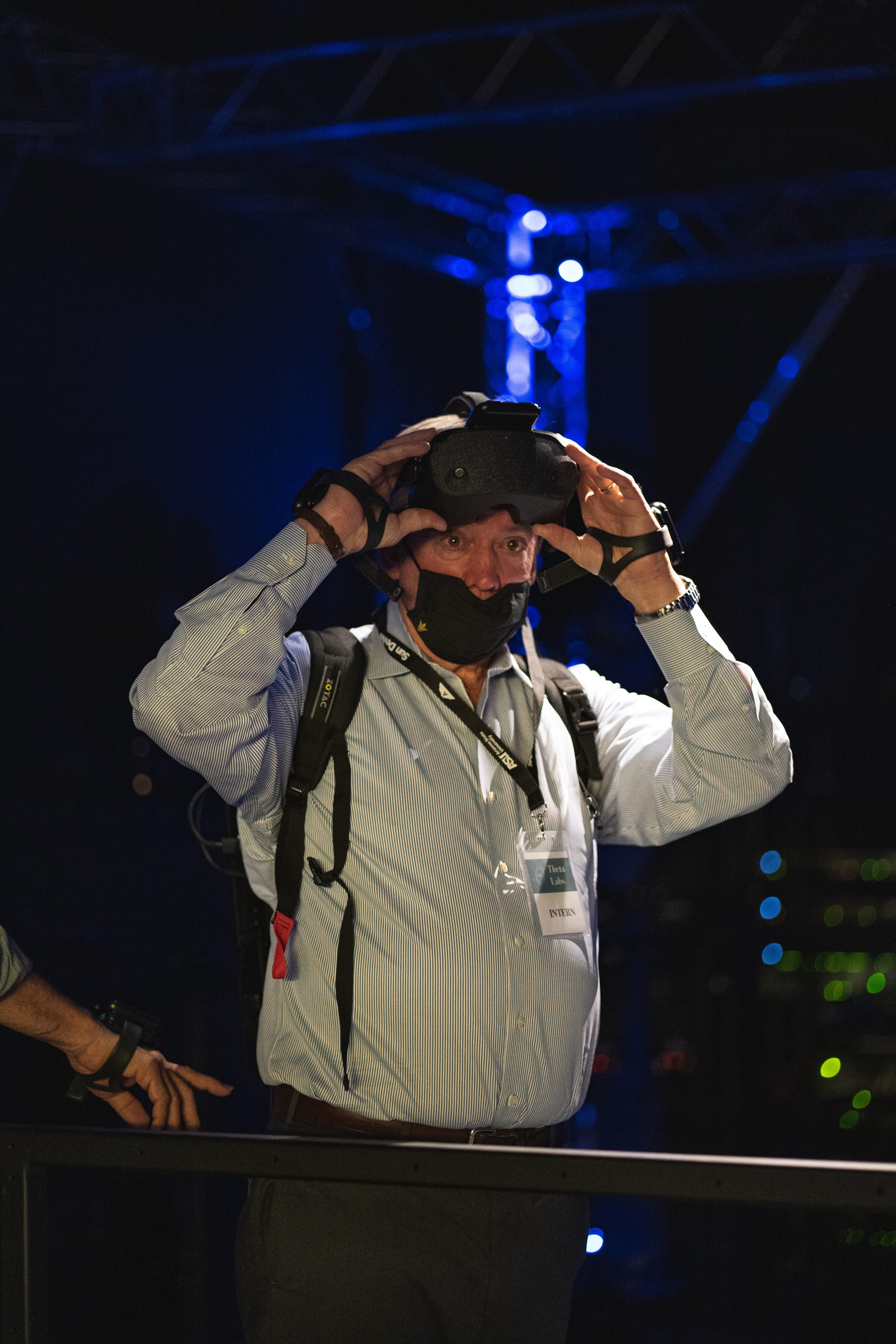
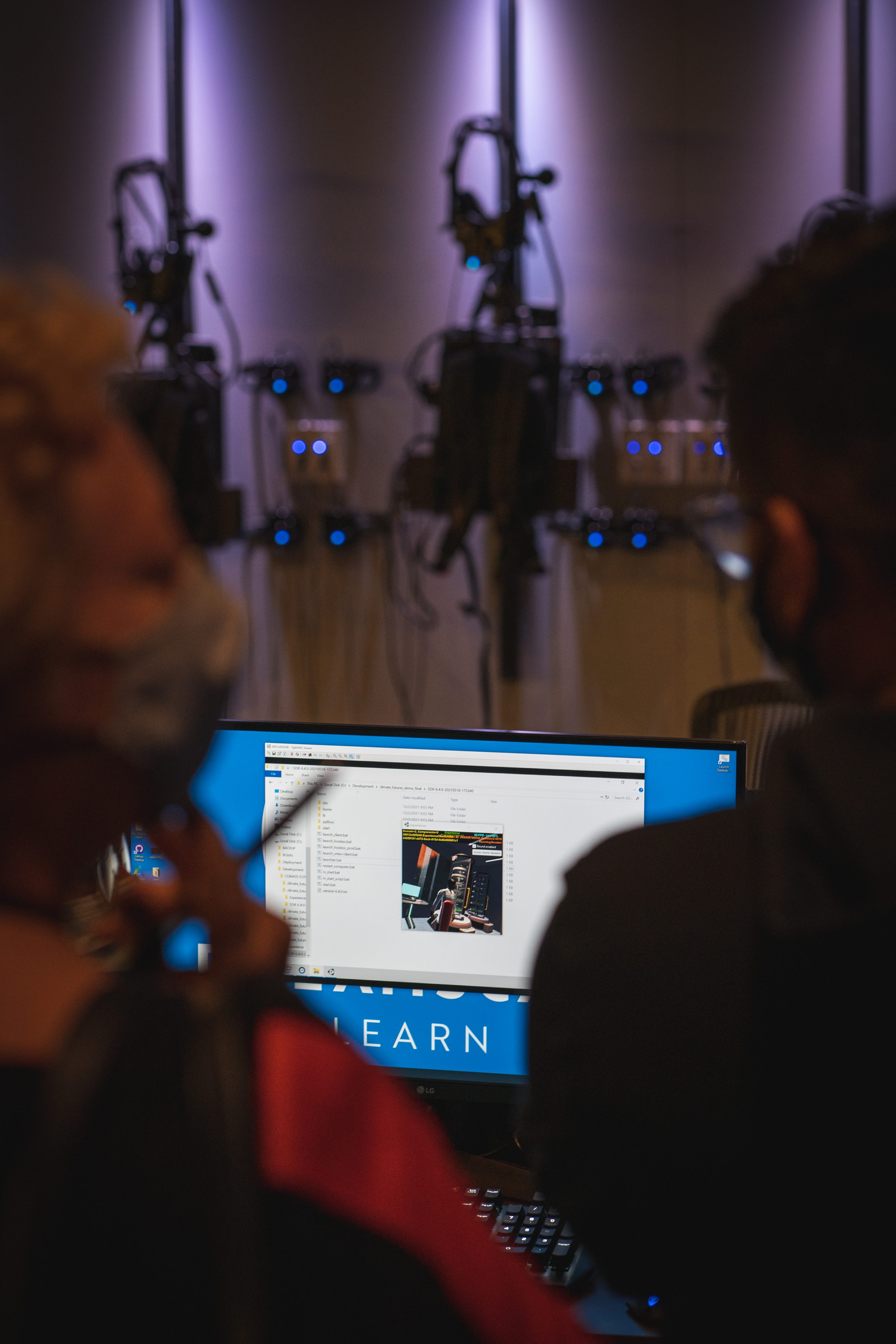
Dreamscape Learn, a joint venture between Arizona State University and Dreamscape Immersive, is pioneering a new model for immersive education: Hollywood-quality VR experiences designed to transform how students learn at scale. Their pods, deployed at ASU's Creativity Commons, let up to six people walk freely through a shared virtual world using full-body tracking, haptics, and room-scale interaction.
This project grew out of a research collaboration between our lab and Dreamscape Learn. My PhD advisors, Robert LiKamWa and Ed Finn, led the effort to build open XR collaborative design and development frameworks that would democratize access to the pods: making it possible for students without a professional studio behind them to conceive, design, and ship an experience from scratch.
That question, what if students could build it themselves?, drove everything. Over 13 weeks, 35 ASU students spanning computer science, architecture, design, digital culture, and electrical engineering became the first people ever to build an experience for the Dreamscape Learn platform.
A 15-minute climate story
across three timelines.
Inside a room-size black box with shaking floors, blowing wind, VR headsets and full-body trackers: four players are recruited by a 2032 research lab and split across time. Two go back to 2022 to assemble evidence and policy. Two go forward to 2042 to photograph a climate future already unfolding. Their guide: Dotty, an animated AI koala created by scientist Dr. Agon.
The outcome depended entirely on player choices: what imagery they captured, how they framed it, what policies they built. Four possible endings, from equitable green futures to widescale disruption, made the moral land differently for every group. As co-instructor Ed Finn put it: "Science itself is a vast system of storytelling."
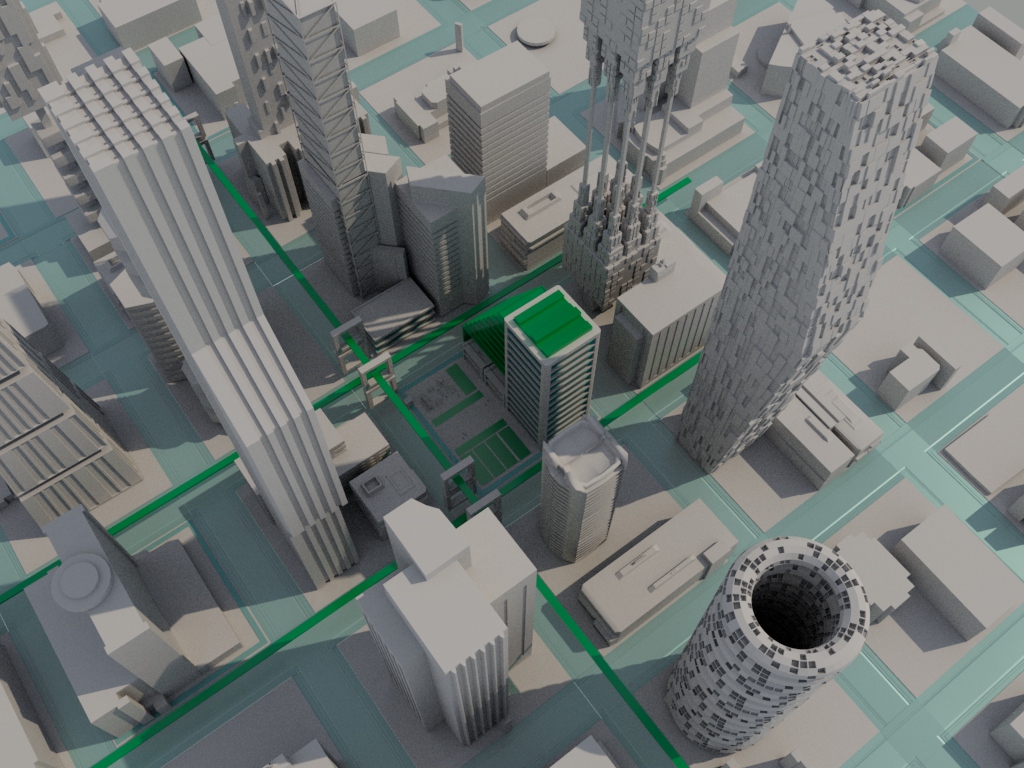
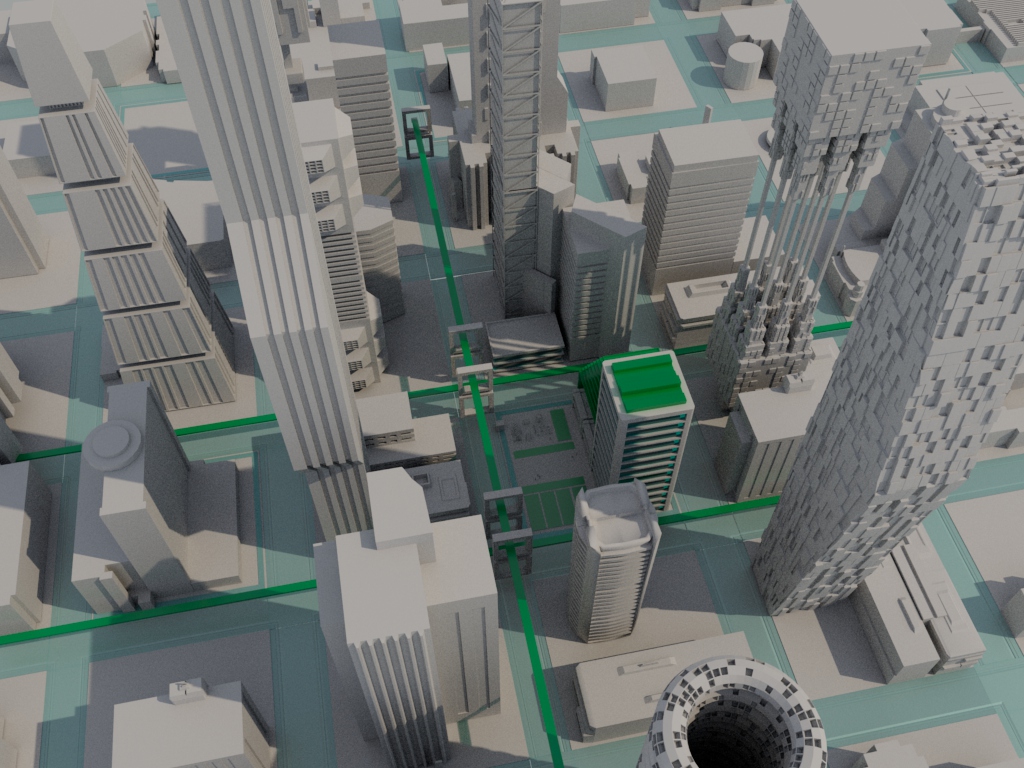
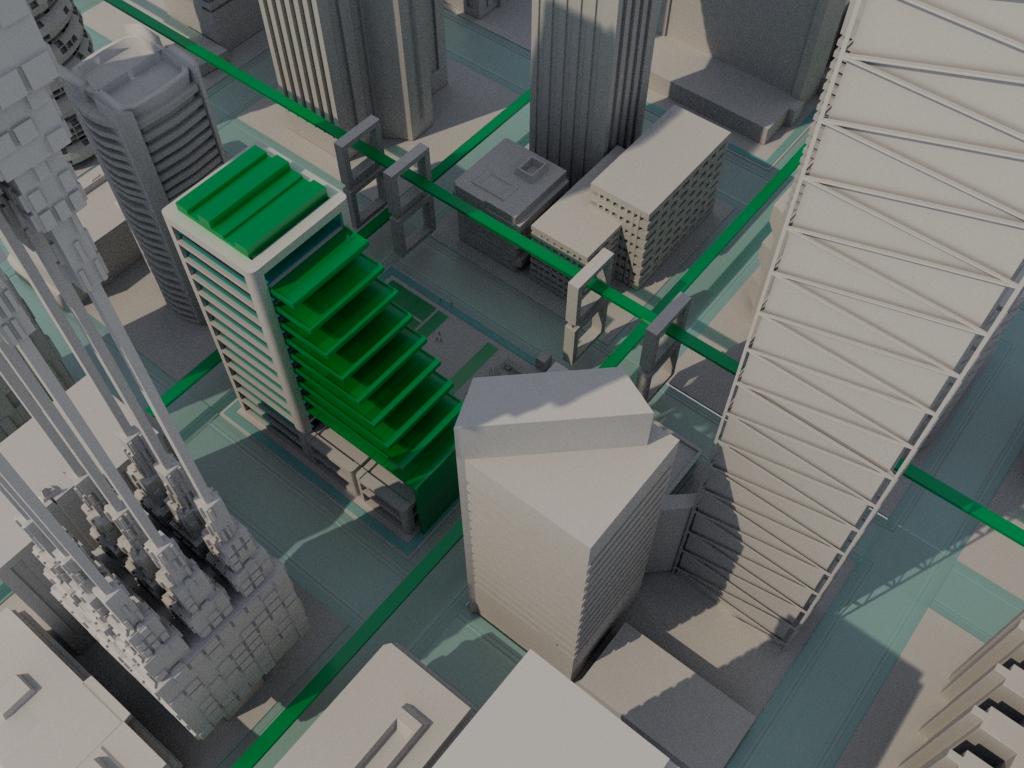
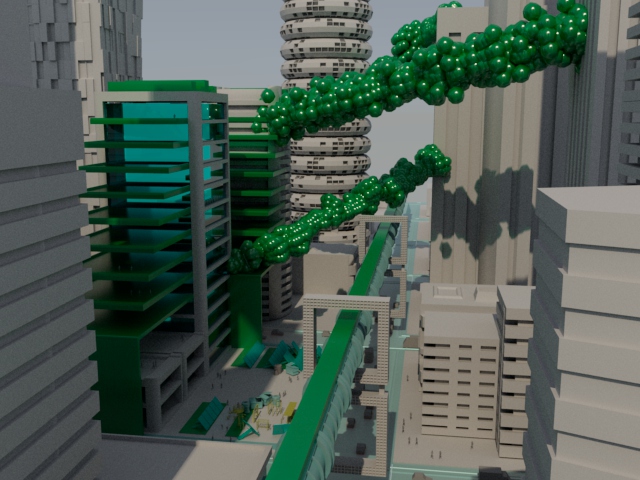
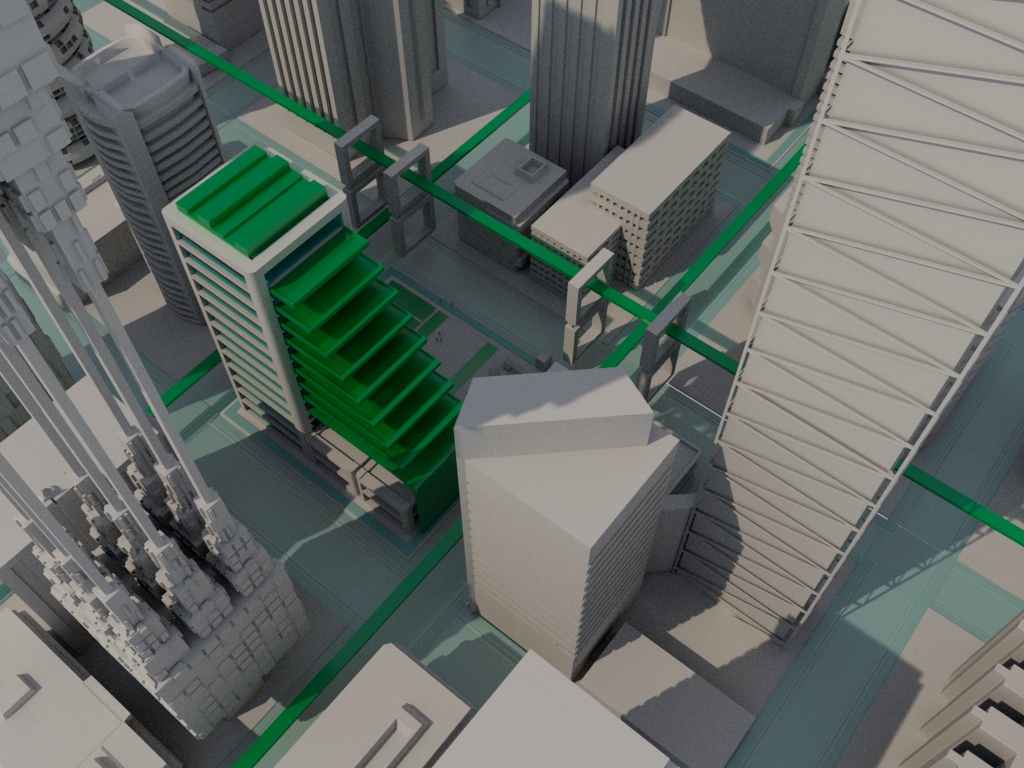
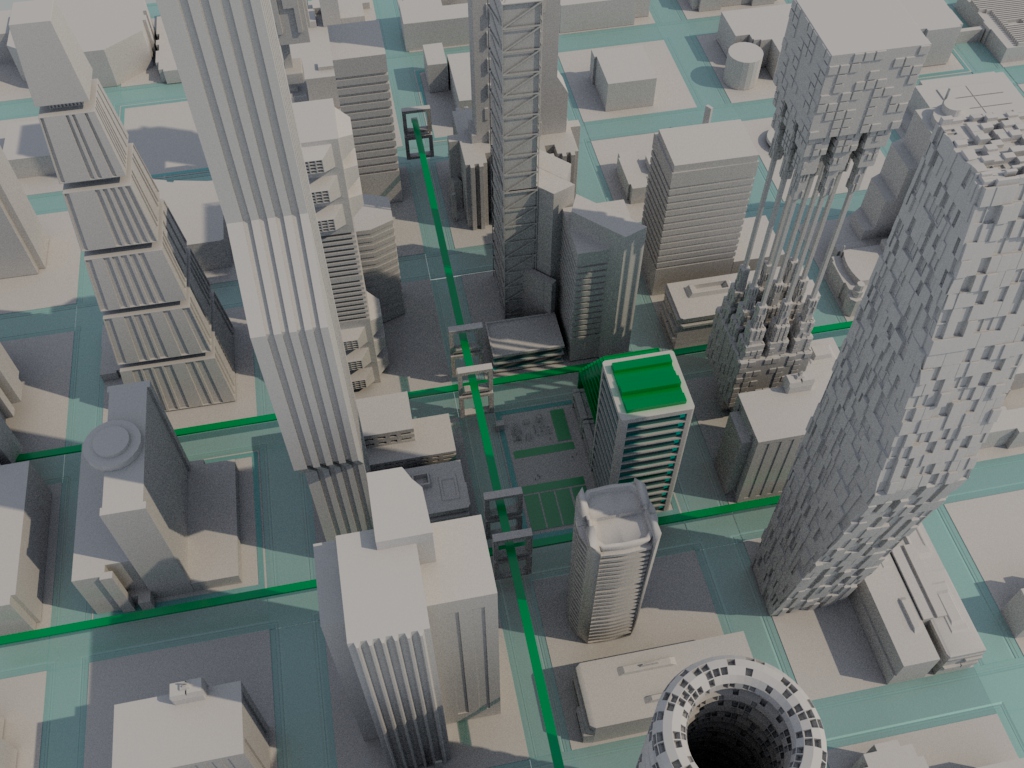
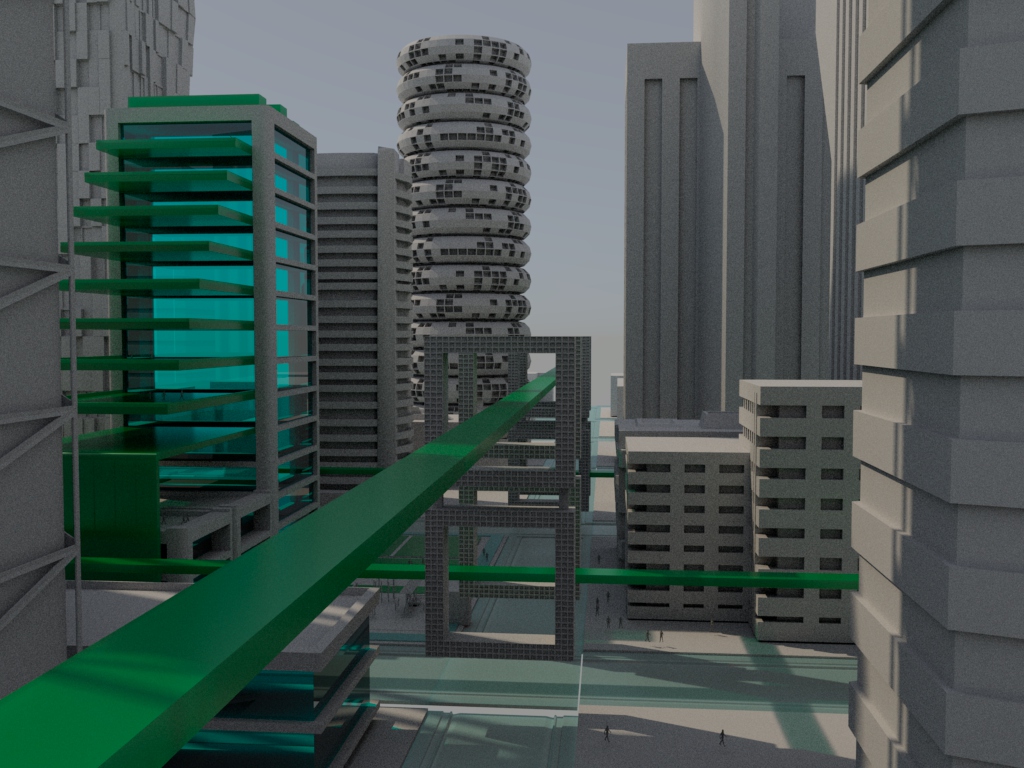
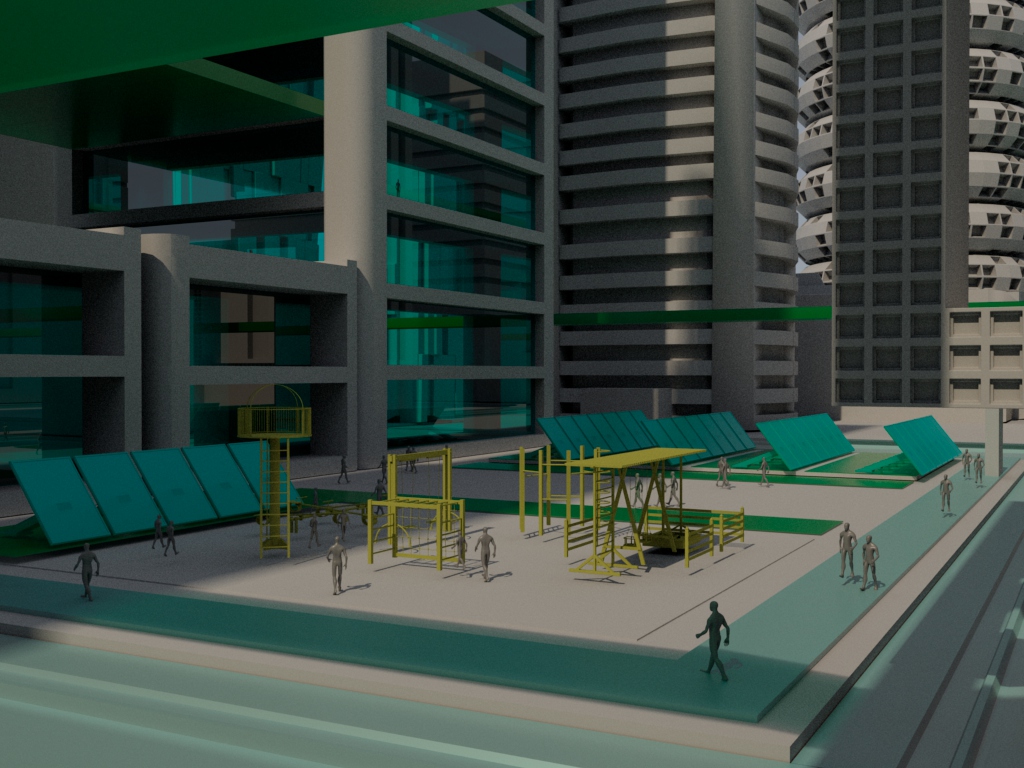
35 students. Four teams. One semester. Students ranged from second-year undergraduates to PhD candidates, all converging on a single, working, playable experience built entirely inside the Dreamscape SDK.
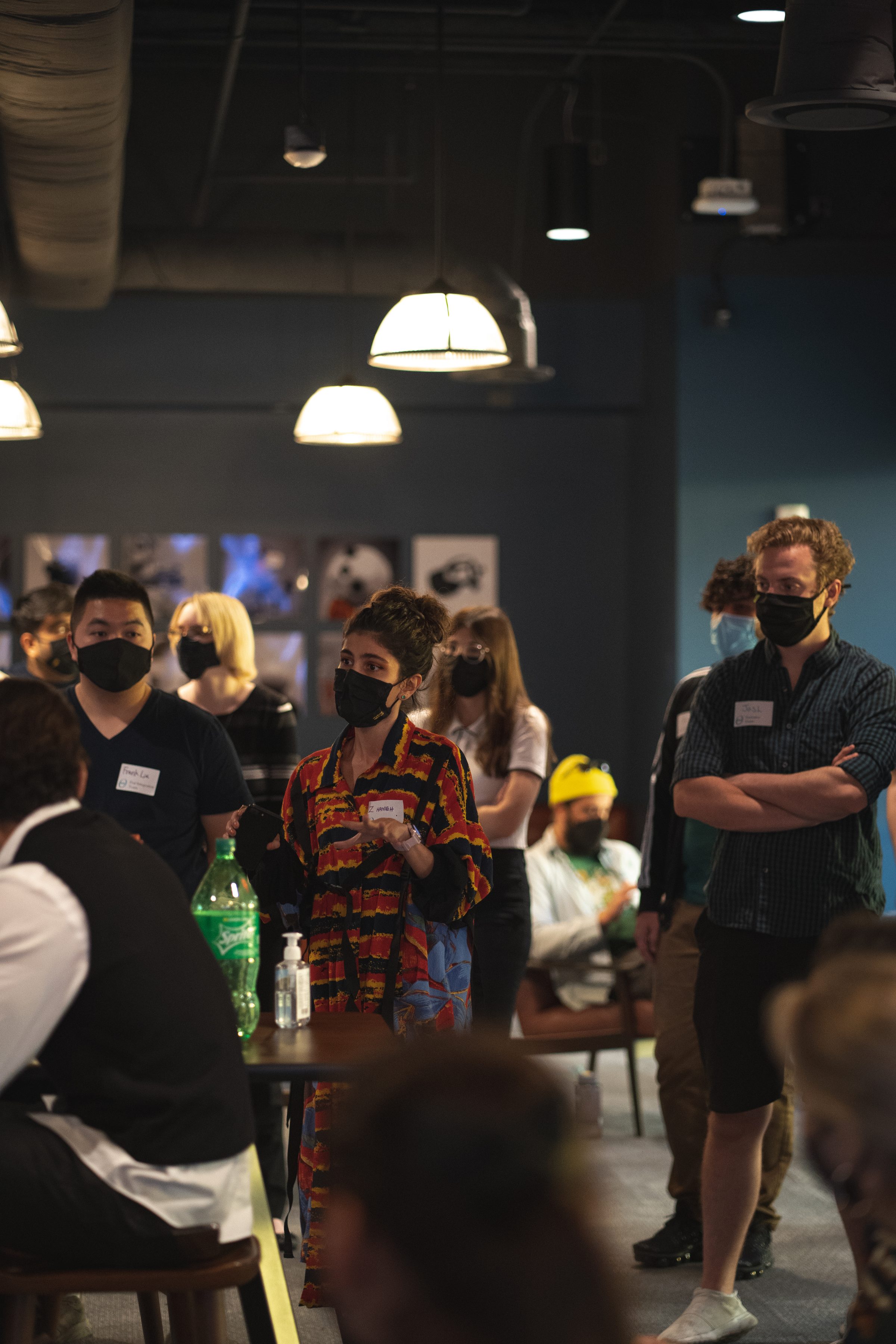
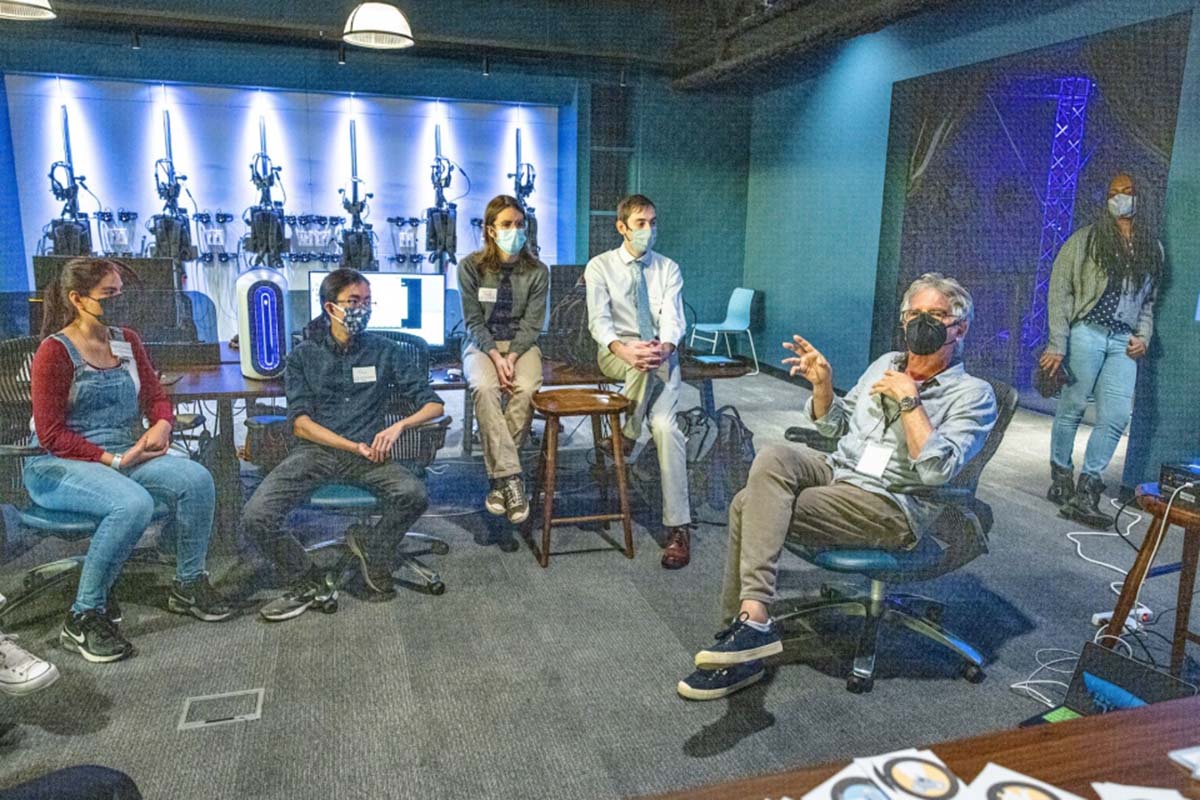
The final showcase brought together ASU President Michael Crow and Walter Parkes, CEO of Dreamscape Immersive and former Hollywood producer of Gladiator and Twister, who stepped inside the pods and experienced the student-built world firsthand.
Parkes offered feedback from the floor: less dialogue, more specificity of place, musical support for moments of revelation. Crow reflected on the power of visualization: "It allows you to visualize something you can only think through."
LiKamWa framed what the room was watching: "The product you're going to see today is actually the students — the creative workforce of the future."