Plaio · AI Storytelling for Families
Plaio
The child is always the author. Plaio asks questions and illustrates — it never writes the story.
A conversation that ends as a hardcover book.
A child talks with one agent, one question at a time — hero, world, plot — collecting three badges on a story board. When the third badge lands, the system compiles the whole conversation into a structured blueprint, renders 24 illustrated panels, and the finished story is printed as a hardcover book with the child's name on it.
![Story Adventure — The gated conversation. The Story Board's three badges are the state machine rendered for a child; the answer chips are structured [OPTIONS] output; the Report flag is a guardrail surface.](/images/plaio-surface-conversation.png)
Story Adventure
The gated conversation. The Story Board's three badges are the state machine rendered for a child; the answer chips are structured [OPTIONS] output; the Report flag is a guardrail surface.

The Library
Finished stories on a shelf. Every card is a 24-panel book that already passed four guardrails — the one surface in the product with no failure state.
The interesting design decisions are system decisions: where safety sits, who remembers, what an agent is allowed to see.
How is unstructured dialogue compiled into a print-ready artifact?
Three phases around one shared blueprint object. No agent talks to another agent — they read and write the blueprint, and safety guardrails screen every crossing.
Where do system phases and user experience diverge?
Two clocks. Blueprint and render are two different engineering problems that collapse into one undifferentiated wait for a seven-year-old — the map between the lanes is not 1:1, and that mismatch is where the product is most likely to lose a child.
How is continuity engineered into a stateless model call?
Every box marked agent above is one call, assembled from the same four layers. The model receives a single string and remembers nothing between calls — every kind of continuity in the finished book is put there by a layer, not remembered by the model.
Why is safety enforced as a bidirectional boundary, not a filter?
Nothing crosses in either direction without being read twice — a fast explicit check, then a contextual one. Blocked output returns a violation hint the same agent regenerates against, so the child never sees a refusal.
What I chose, what I rejected, and why.
A blackboard, not a relay
One blueprint object every agent reads and writes.
Agents passing context to each other.
Drift compounds across 24 scenes. One inspectable object beats six conversations you can't see into.
Memory in the data, not the model
Character sheets, resolved per scene by deterministic tag substitution.
Asking the model to remember what Mia looks like.
The same face across 24 panels needs a guarantee, not a probability.
Correction inside the loop
Blocked output regenerates against a violation hint, invisibly.
A refusal message at the surface.
A six-year-old gets a working story, not an error state — and no lesson in what not to say.
How I know the system does what I designed.
A children's product can't A/B test its way to safety, so the checks run at three distances from the child.
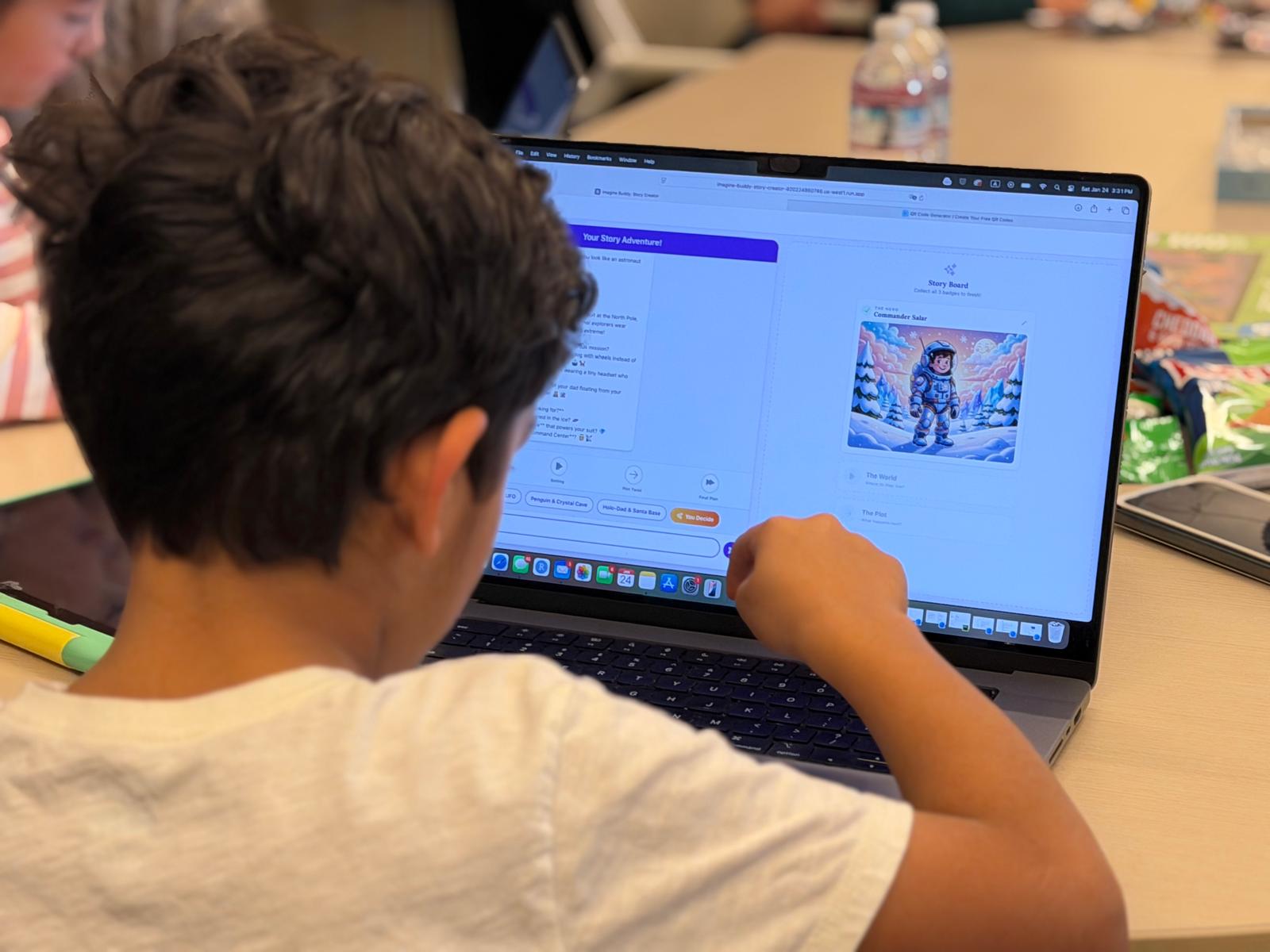
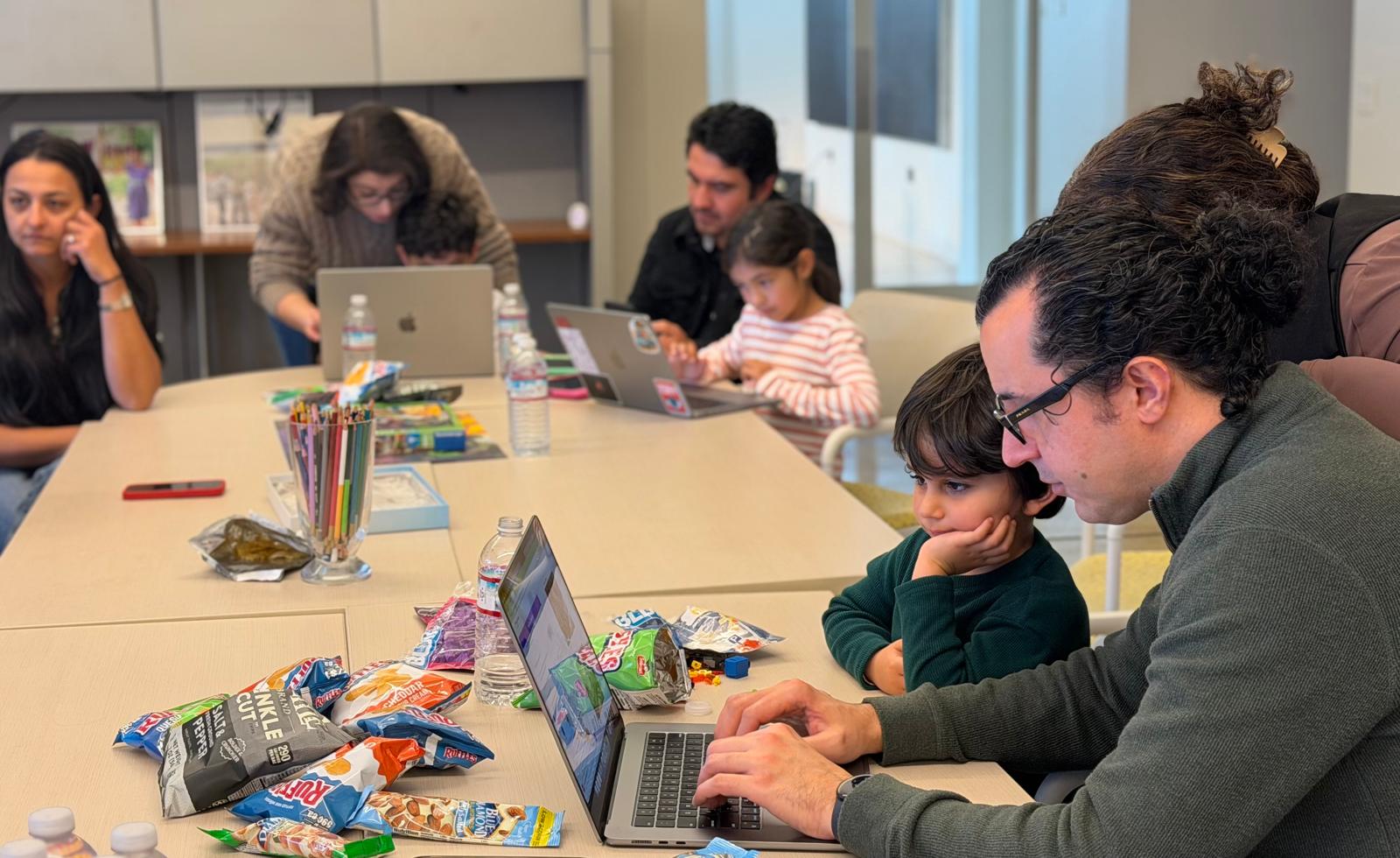
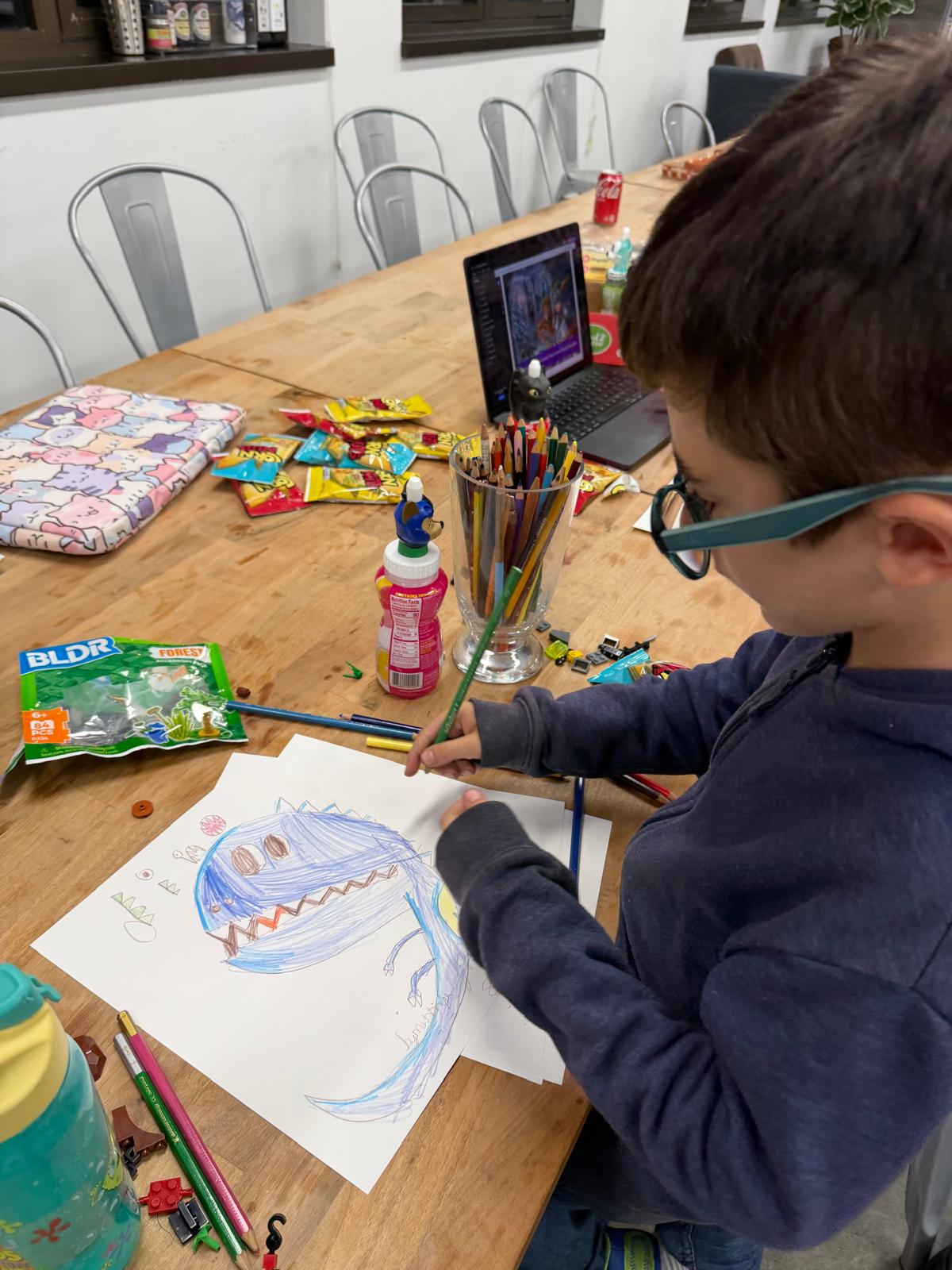
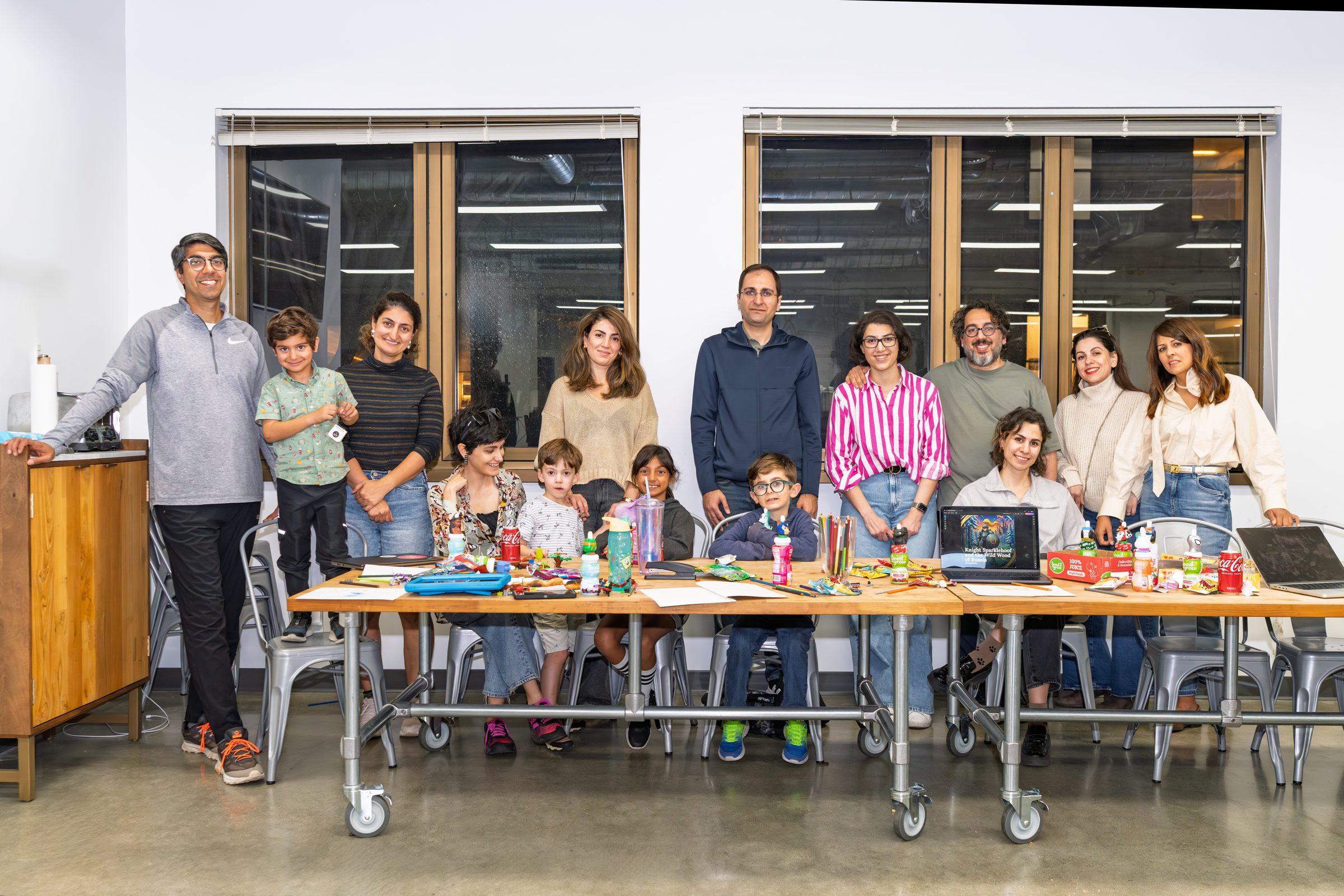
3 sessions, 15+ children ages 6–12, San Francisco and UC Berkeley. Watching where the model drifts is the eval loop: each session tightened the system prompt, the phase constraints, and the structured-output markers.
A rating instrument at the end of every finished book — the parent judges the story at the moment they have just read it. That signal is the product's evaluation metric.
Full trace of every story: each agent's input and output, side by side across prompt versions — so a failure can be attributed to the agent that caused it.
Private beta, recruiting the first 200 families.
v1 is live, in use by families in the beta, with every finished story printed and shipped as a hardcover book.